Pediatric Dog Bites: A Review of 1422 Cases Treated at a Level One Regional Pediatric Trauma Center
June 2022 | by Boyd LC, Chang J, Ajmera S, Wallace RD, Alvarez SM, Konofaos P
A large-scale retrospective review of 1,422 patients from a Level 1 pediatric trauma center in Memphis found that pit bulls were the most commonly identified breed in cases requiring operative repair.
Study highlights
- This study is a retrospective review of 1,422 pediatric patients treated for dog bite injuries at Le Bonheur Children's Hospital in Memphis, Tennessee, a Level 1 regional pediatric trauma center. Cases were drawn from the emergency room between January 2011 and May 2017, a 6.5-year period, averaging one dog bite every 1.6 days. Patients were 18 years old or younger. Charts were reviewed for patient demographics, bite location, dog breed demographics, interventions and outcomes.
- The authors describe their typical patient as male (63.5%), African-American (57.4%) and less than 10 years old (69.4%) -- a profile reflecting the population this Memphis hospital serves. Younger children were bitten more frequently. The authors note that the age and sex distribution varies little from the published literature of the past two decades, and suggest the size, strength and situational awareness that develop with age all act as protective factors against dog bites.
- The head and neck were the most commonly affected areas, accounting for 64.7% of bites. Within that region, the cheeks and lips were the most frequently injured structures (34.5%). The extremities were second, with upper extremities (30.1%) slightly more common than lower extremities (28.9%). Bites to the trunk were far less frequent (9.5%). Three patients sustained bites to the genitals.
- Hospital admission was required for 188 patients (13.2%) and operative repair was deemed necessary in 16.9% of all cases (240 patients). Of those admitted, most (78.3%) were discharged in less than 24 hours. Among operative patients, 198 laceration repairs were performed, along with 11 fracture reductions, 3 nerve repairs and 3 vessel repairs. Operative complications were rare, occurring in 5.8% of operative cases, and infections accounted for nearly all of them (92.9%). No fatal dog bites occurred in this study.
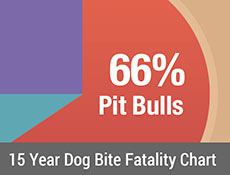
- The breed of the attacking dog remained unidentified by the patient or family at emergency department presentation in 64.1% of total cases. Nonoperative cases had the highest unreported breed information, 68.1% (805/1182). Among the operative cases, that number fell to 44.2% (106/240). Of the 511 cases in which breed was known, pit bulls were the most frequently identified breed (245, 47.9%), followed by mixed breeds and German shepherds. Pit bulls were also the most commonly identified breed in cases requiring operative repair (52.2%).
- Most pediatric dog bite victims (57.9%) were familiar with the dog that attacked them, and familiarity was higher among the cases that ended in surgery -- 69.6% of operative cases involved a known dog compared with 55.6% of nonoperative cases. The authors infer that children are likely approaching "known" and "friendly" dogs more intimately than they would a strange dog, resulting in bites that are often more severe, and suggest this false sense of safety may also account for the high volume of head and neck bites.
- Statistical analysis identified several factors associated with the need for surgery. Operative need increased in children under 10 years old. Bites to the head and neck were significantly associated with operative need when compared with the extremities and torso; head and neck bites alone accounted for 54.2% of all operative cases. Sustaining more than 2 bites was also significantly associated with operative need.




DogsBite