Behind the Bite: Ownership and Breed as Predictors of Dog Bite Severity
May 2026 | by Hovell M, McKnight C, Proffitt G, Hungerford A, Rowe A, Berry D
A retrospective review of 276 dog bite patients over an 8-year period from a Level I trauma center in Tennessee found that pit bulls were disproportionately represented in injuries requiring surgery.
Study highlights
- This study is a retrospective cohort review of the trauma registry at the University of Tennessee Medical Center in Knoxville, an American College of Surgeons-verified Level I trauma center. All cases with a mechanism of "dog bite" were identified from 2016 through 2024, and patients of all ages were included. A total of 276 patients sustained dog bites during this period. Chart review collected patient demographics, hospital and intensive care length of stay, number of surgical procedures, amputations, readmissions, Injury Severity Score (ISS) and the characteristics of the dog involved.
- Patients ranged in age from 4 days to 87 years, with a median age of 36. Female patients slightly outnumbered male patients, 144 to 132. The arm was the most frequently injured location (52.2%), followed by the face and head (47.8%), the leg (27.2%) and the torso (12.3%). Pets were responsible for 79% of bites, with nonpet dogs -- police K-9s, strays, shelter dogs and dogs of unknown ownership -- accounting for the remainder.
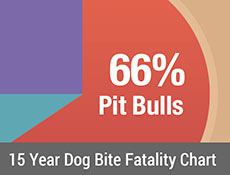
- Over 30 different dog breeds were represented. Pit bulls accounted for nearly one-third of all dog bites (91 of 276, 33%), the largest share of any breed group. Working breeds such as great danes, rottweilers and huskies accounted for another 15.6%, herding breeds such as collies and German shepherds 5.1%, and sporting breeds 2.5%. Breed was not recorded in 37.3% of cases (103 of 276).
- Pit bull injuries were significantly more likely to require surgical intervention than injuries from all other breeds combined, 61.5% versus 47%. Pit bull cases also carried a higher median number of operations (1 versus 0) and a higher median Injury Severity Score (2 versus 1). Pit bulls were disproportionately represented in severe bite injuries requiring operative management at this trauma center, states the study.
- When outcomes were analyzed by ownership rather than breed, nonpet dogs produced more operations than pets (1 versus 0), higher readmission rates (20.7% versus 7.3%) and a higher median ISS (2 versus 1). Operative intervention was required in 62.1% of nonpet cases compared with 49.1% of pet cases, a difference that did not reach statistical significance.
- The study also compared pit bulls kept as pets against nonpet pit bulls. Pet pit bulls were associated with a lower median injury severity score than nonpet pit bulls, 2 versus 5. However, there was no meaningful difference between the two groups in the need for operative intervention, 60% versus 72.7%.
- Not every measure separated the breeds. The study found no significant difference between pit bulls and all other breeds in hospital length of stay, intensive care length of stay, readmission rates, amputation rates or mortality. Seven amputations occurred during the study period, none of them attributed to a pit bull. Six patients died.
- The authors conclude that clinicians should maintain a "high index of suspicion for injury requiring operative intervention" when treating patients bitten by pit bulls or by nonpet animals. They also emphasize the importance injury-prevention education and responsible pet ownership.




DogsBite