Pediatric Head and Neck Dog Bites in the United States: A NEISS Database Investigation of Risk Factors and Escalation of Care
September 2024 | By Peifer SJ, LoTurco H, Duffield SJ, Zhang K, Javier N, Herman B
A retrospective review of 949 pediatric patients drawn from a national injury database examines head and neck dog bite risk factors from 2013 to 2022, including a peak in injuries during Covid 2020.
Study highlights
- This study is a retrospective review of the National Electronic Injury Surveillance System (NEISS), a database operated by the U.S. Consumer Product Safety Commission that gathers injury data from approximately 100 hospitals nationwide. Researchers reviewed all head and neck dog bite injuries treated in emergency rooms (ER) from January 1, 2013 through December 31, 2022. Injury sites included the head, face, eyeball, mouth, neck and ear. A total of 1,142 cases met the criteria, 949 (83%) involving pediatric patients and 193 (17%) involving adults. The pediatric group is the focus of the study.
- Of the 949 pediatric patients, 74 required an escalation of care (EOC) through transfer, admission or observation, 871 were discharged and 4 left the ER before being seen. Male patients outnumbered female patients, 57.2% to 42.8%. The most common age group was 2 to 6 years old (43.4%), followed by 7 to 12 years old (29.5%). Face and mouth injuries predominated, comprising 57.3% and 20.4% of cases respectively.
- Through a review of the database narratives, the authors extrapolated ownership and location data. Most attacks occurred in the home (82.3%) and involved either the patient's dog (39.2%) or a family member's or friend's dog (22.5%). Strangers' dogs only contributed to 3.1% of cases. Attacks were most often classified as provoked (60.5%), though the study defines provocation broadly as any instance in which the child approached the dog, regardless of intent.
- A regression analysis identified which factors independently raised the odds of EOC. Children with neck injuries were about 12 times more likely to require escalated care, and children with orbital injuries about 13 times more likely. Bites to the nose, head, mouth and face did not increase EOC odds. Ear bites trended higher but did not reach significance. Gender and the location of the attack did not significantly affect the odds.
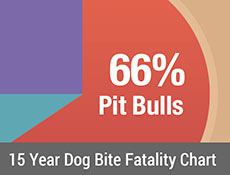
- Breed of dog was reported in 172 of the 949 pediatric cases. Pit bulls were the most reported breed at 33.1% (57 of 172), followed by German shepherds at 9.3% (16) and huskies at 8.7% (15). Among escalation of care patients with a known breed (23 cases), the pit bull was the breed reported 43.5% of the time.
- The data showed that ER visits for pediatric head and neck dog bites rose significantly across the study period, increasing by an average of about 6.5 cases per year at the sampled hospitals. The final three years, 2020 through 2022, accounted for 37.7% of all cases, with peak incidence in 2020 (134 cases). The authors attribute the 2020 spike to COVID-19 lockdowns, citing a French study that found lockdowns correlated with more facial dog bites among children and with bites more severe than in prior years.
- The authors did not apply NEISS sampling weights to produce national estimates. All figures reported are raw case counts from the roughly 100 hospitals in the NEISS sample, meaning the 949 pediatric cases represent a fraction of actual U.S. pediatric head and neck dog bite injuries during the period.
- The study concludes that increased caution around particular dog breeds in households with children under 2 years old may decrease severe head and neck bite injuries. The authors advise caution when young children are near aggressive breed dogs such as pit bulls and German shepherds, "even if the child is not approaching the dog."




DogsBite